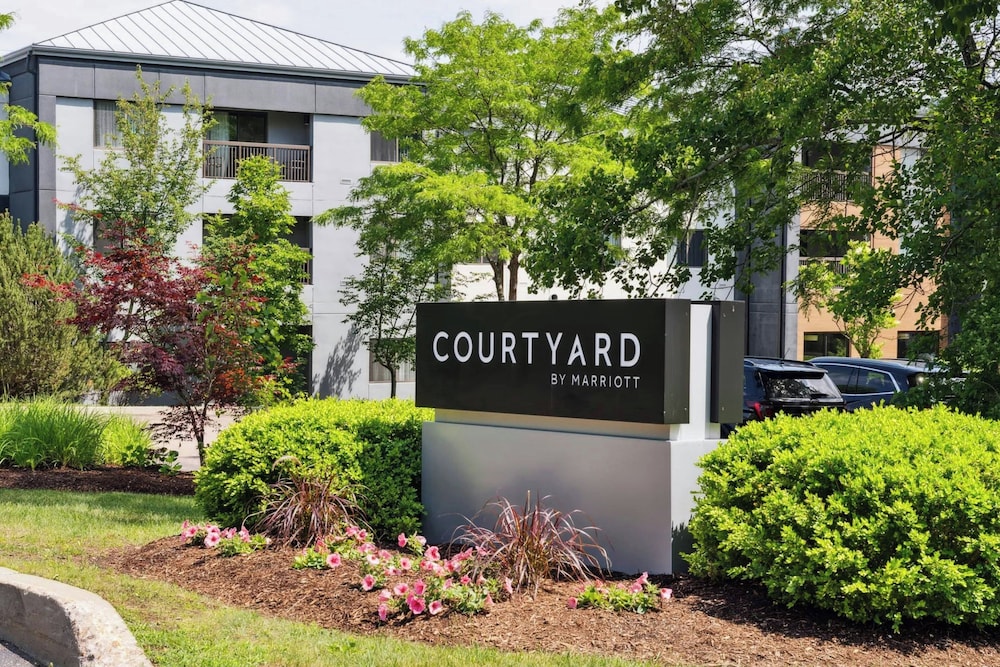
Courtyard by Marriott Burlington Williston
Good to know
Destinations Burlington



Where to stay in Vermont: picking the right area
For a first visit, base yourself in Stowe, Woodstock or Burlington. Burlington on Lake Champlain is the cheapest of the three midweek and the only one with an airport, university nightlife and walkable dining on Church Street; Stowe and Woodstock are resort towns where a mid-range room runs $250-400 in season and $180-250 off-season. Manchester in Bennington County suits shoppers and Equinox hikers, Killington and Ludlow suit skiers who want lift-ticket proximity, and Middlebury in Addison County splits the difference between college town and farmland.
For quieter stays, Waitsfield and Warren in the Mad River Valley, Grafton in Windham County, and the Northeast Kingdom towns of St. Johnsbury and around Lake Willoughby run 20-40% cheaper than Stowe for comparable inns. Brattleboro and Bennington in the south are the natural first or last night if you are driving up from New York or Boston. Skip Rutland as a base unless you are skiing Killington on a budget — it is 20 minutes from the lifts and rooms are often half the price.
Best time to visit Vermont, month by month
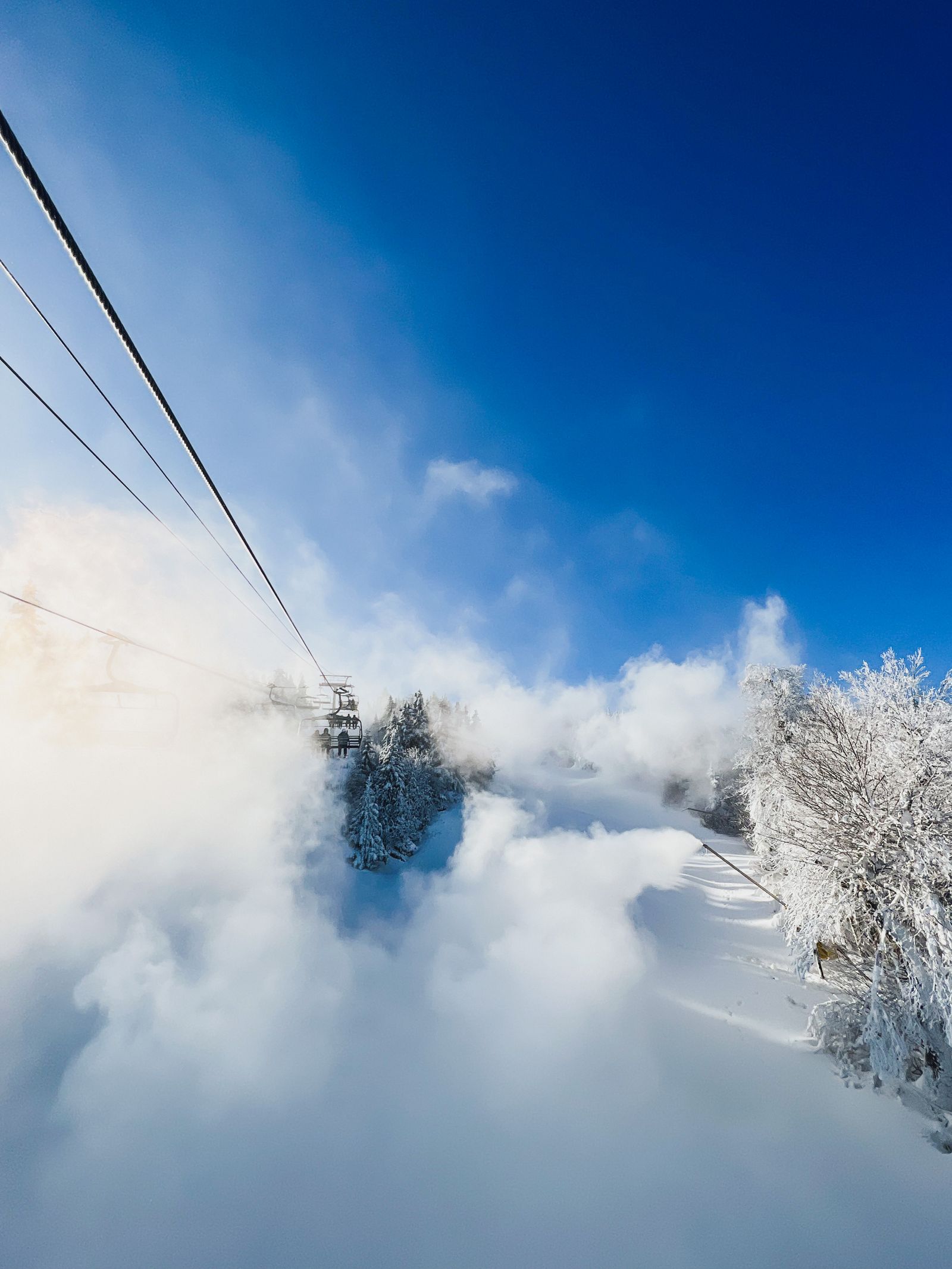
Peak foliage runs roughly 25 September to 15 October, and hotel rates in Stowe, Woodstock and Manchester double or triple against summer — expect $500-900 for rooms that cost $200 in August, with two-night minimums standard. Ski season peaks from Christmas week through February at Killington, Stratton, Jay Peak and Smugglers' Notch, with the last week of December and Presidents' Day weekend the two most expensive dates on the calendar. March is still skiable and 30% cheaper than February at most mountains.
April and early May are 'mud season' — many country inns in Grafton, Waitsfield and the Northeast Kingdom close entirely, and those open discount heavily. June through August is warm, quiet and the best value outside the ski towns, with lake rooms in Grand Isle County and Burlington around $180-280. Late May, early June and the first three weeks of November are the cheapest windows overall; November is when locals travel.
Getting around Vermont: car, train and bus
You need a car. Amtrak’s Vermonter runs once daily from Washington DC through Brattleboro, White River Junction, Montpelier and Waterbury to St. Albans, and the Ethan Allen Express reaches Rutland and Burlington from New York, but neither gets you to Stowe, Woodstock village, Killington base, Jay Peak or anywhere in the Northeast Kingdom without a further drive. Greyhound and Vermont Translines cover the I-89 and I-91 corridors but are infrequent. Burlington International (BTV) is the main airport; Manchester-Boston (MHT) and Albany (ALB) are often cheaper flights and put you within 2-3 hours of most of southern Vermont.
Driving distances are shorter than they look on the map but slower in practice: Burlington to Stowe is 40 minutes, Burlington to Woodstock is 1h45, Stowe to Killington is 1h30, and Brattleboro to Jay Peak is nearly 3 hours end to end. Route 100 down the spine of the Green Mountains is the scenic route and adds 20-40 minutes over I-89 or I-91. In winter, all-wheel drive and snow tyres are genuinely useful north of Waterbury.