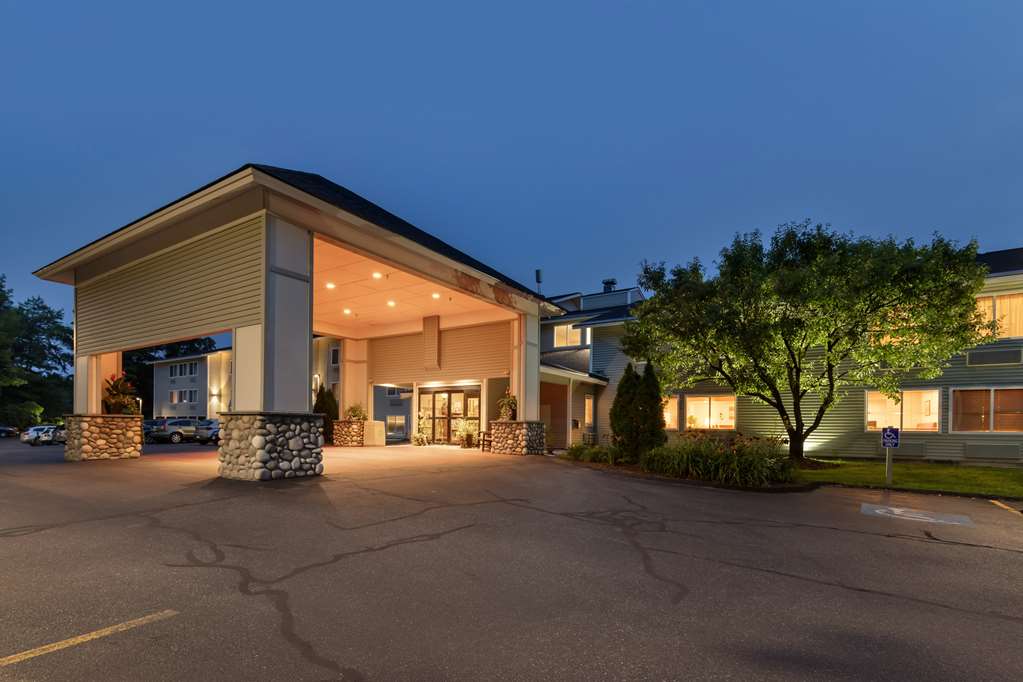
Best Western Plus Windjammer Inn & Conference Center
Good to know
Destinations Burlington



How many nights in Vermont and a first-timer route
Five to seven nights is the sweet spot for a first visit; three is enough only if you stay in one area. A classic loop from Burlington: two nights in Burlington (Shelburne Museum, Church Street, Lake Champlain), two in Stowe or Waitsfield (Mount Mansfield, Ben & Jerry’s in Waterbury, Cold Hollow Cider), two in Woodstock (Quechee Gorge, Billings Farm, covered bridges), then out via Manchester or Brattleboro. That covers Chittenden, Lamoille, Washington and Windsor counties without doubling back.
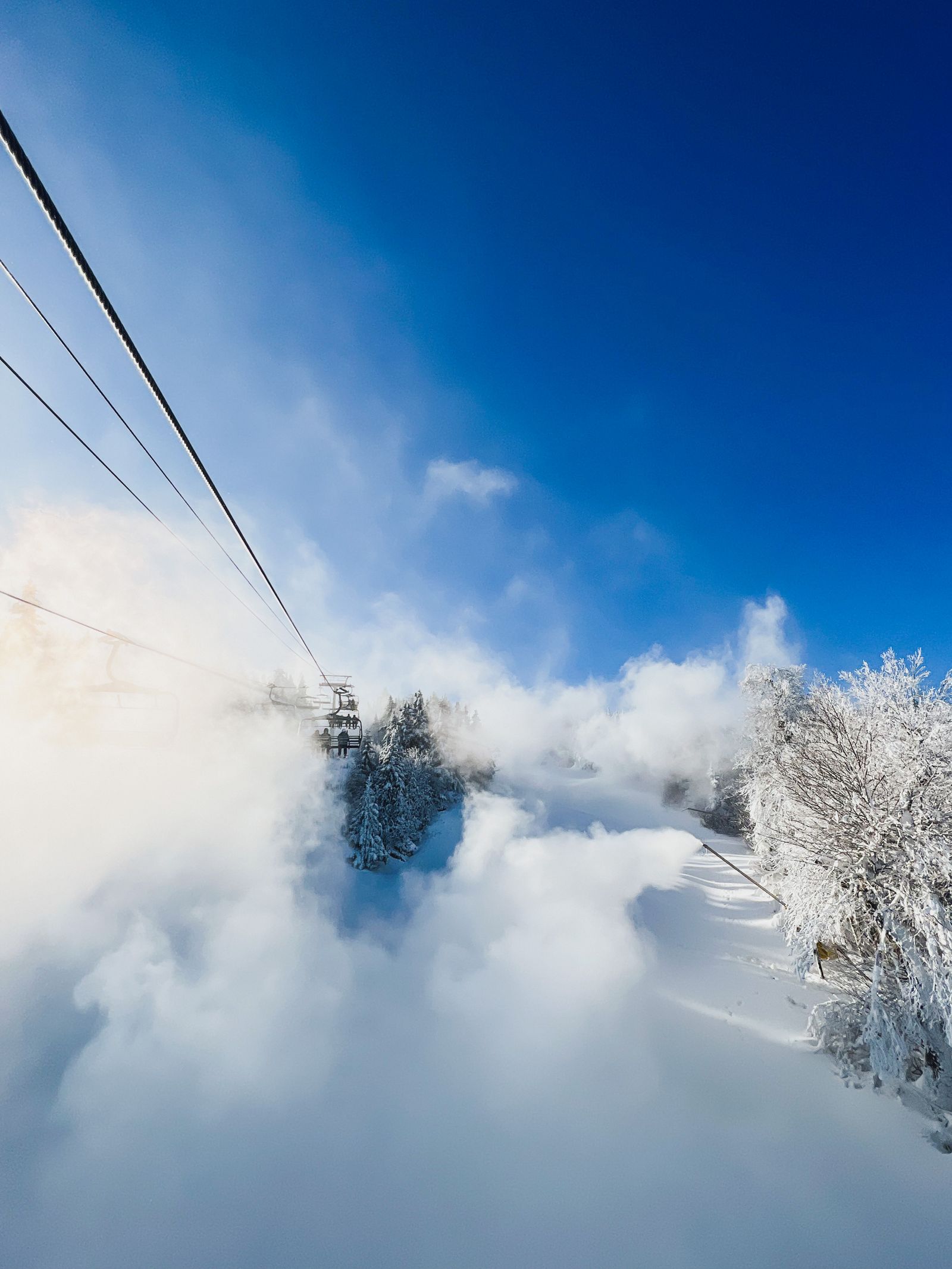
For foliage, add a night and slow down — driving Route 100 from Stowe to Ludlow eats a full day if you stop. For a ski trip, pick one mountain and stay put: Killington, Stowe, Sugarbush from Warren, Stratton or Jay Peak all reward four to five nights on-mountain more than they reward touring. The Northeast Kingdom (Essex, Orleans, Caledonia counties) deserves its own three-night trip rather than being tacked onto a first visit.
What Vermont hotels actually cost
Budget in Vermont means $110-160 a night: chain motels in Rutland, White River Junction and South Burlington, or older motor inns along Route 7 and Route 100. Mid-range at $200-350 gets you a country inn room in Woodstock, Middlebury or Manchester, a standard room at a Stowe or Killington resort, or a lake-view room in Burlington. Top-end at $500-1,200 covers Twin Farms near Barnard (all-inclusive, one of the most expensive hotels in the US), the Woodstock Inn, Equinox in Manchester and the Lodge at Spruce Peak in Stowe.
Rates spike hardest during foliage (late September to mid-October), Christmas and New Year week at the ski mountains, Presidents' Day weekend, and Dartmouth and UVM graduation weekends in May and June — Hanover-area and Burlington rooms can triple. Two-night minimums are near-universal on weekends year-round at inns, and three-night minimums appear on holiday weekends. Vermont adds a 9% rooms tax and many towns add a 1% local option, so budget roughly 10% on top of the quoted rate.
The Vermont booking trap nobody warns you about
Mud season and stick season catch out first-time visitors. From roughly 10 April to 20 May, and again from about 1 to 20 November, a large share of the independent inns in Grafton, Waitsfield, Warren, the Mad River Valley and the Northeast Kingdom simply close — not for a week, for the whole stretch. Restaurants in Woodstock and Stowe cut their hours to weekends only. If you book a flight to Burlington in late April expecting the summer version of Vermont, you will find a quiet, brown, half-shut state.
The other trap is assuming foliage peaks the same week everywhere. It rolls south: Jay Peak and Lake Willoughby usually peak around 25 September, Stowe and Waitsfield around 1 October, Woodstock and Killington around 8 October, and Brattleboro and Bennington closer to 15 October. Book the wrong week in the wrong county and you will see either green leaves or bare branches. Vermont’s official foliage report, updated weekly from mid-September, is the only source worth trusting.