
neighbourhood
Vermont's Mud Season: Hiking the Green Mountains Before the Trails Dry Out
Spring in the Green Mountains arrives long before the trails are ready for it, and knowing which paths hold up in April and early May is the difference between a great walk and a slog through boot-sucking clay.
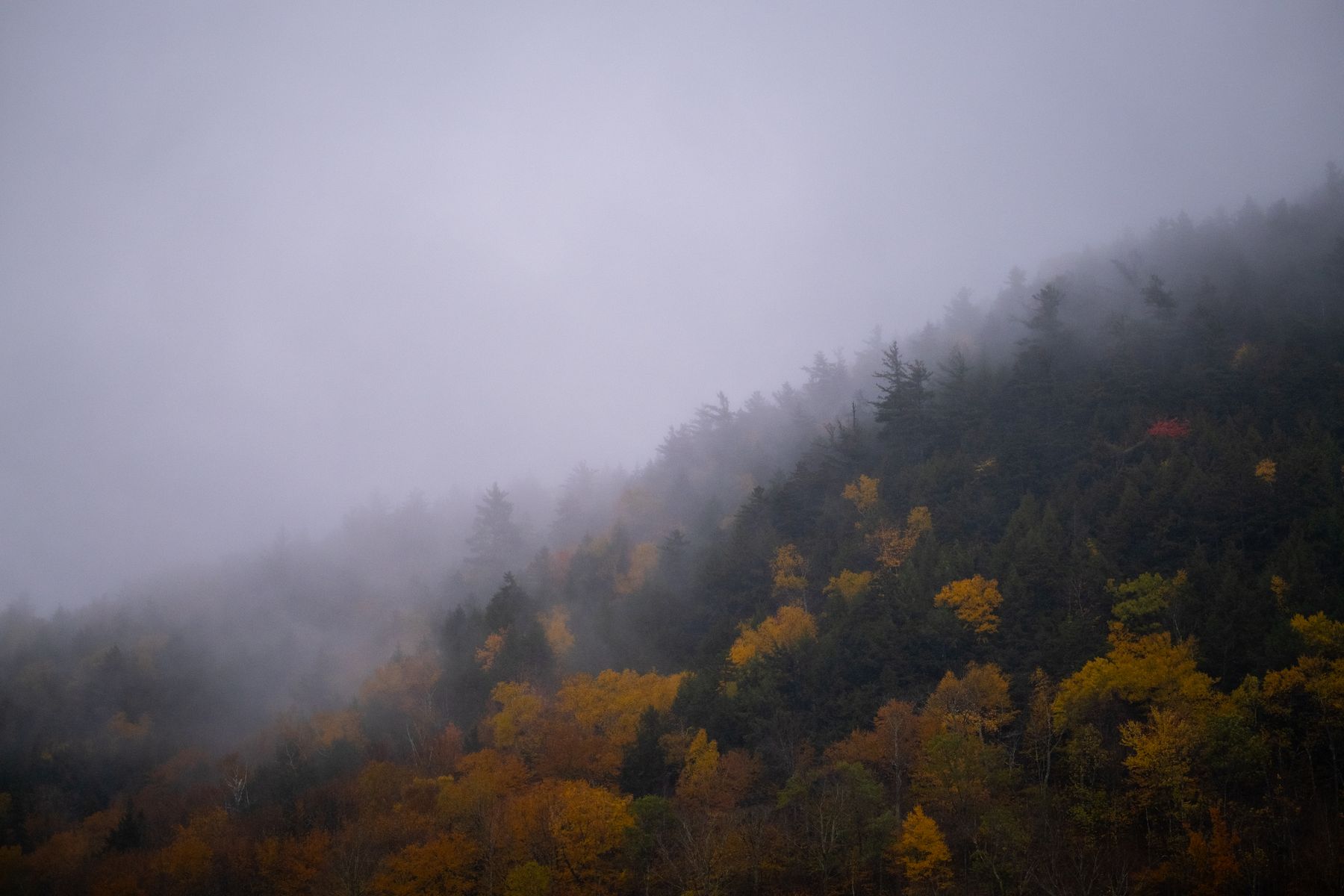
Why Vermont Trails Turn to Soup in April
Vermont's mud season runs roughly from late March, when the snowpack in the valleys finally collapses, through mid-May, when the ground has drained and the blackflies have not yet arrived in force. The problem is the frost heave: soils that froze to a metre deep in January thaw from the top down, so meltwater sits on a still-frozen layer and turns the top few centimetres of trail into a slurry. State land managers ask hikers to stay off fragile trails above about 760 metres during this window, and the Green Mountain Club has long promoted the same idea for the Long Trail corridor.
The practical consequence is that the famous ridge walks — Camel's Hump via the Burrows Trail, Mount Mansfield's Sunset Ridge, anything on the Long Trail between Bolton and Smugglers' Notch) — are precisely the ones to leave alone in April. They are also the ones that suffer most: widening mud bogs, eroded switchbacks, and hikers who walk around the wet patches and trample the vegetation on either side. Choosing lower, drier ground is not a compromise so much as the correct seasonal decision.
Where to Walk Instead: Valley and Lakeshore Options
The Vermont River Conservancy and town recreation departments maintain a network of valley paths that drain well because they follow gravel beds and old rail grades. Around Burlington and South Burlington — the region drawing the most booking searches right now — the Colchester Causeway and the Burlington Bike Path are largely paved or packed stone dust and stay walkable through the thaw. Farther south, the West River Trail out of Jamaica runs on a former rail bed beside the water, and the Cross Vermont Trail uses similar crushed-stone surfaces through Montpelier and Wells River. These are two- to three-hour walks, not summit days, and that suits the season.
If you want elevation, pick something with a southern exposure and a rocky, well-drained tread. Mount Philo in Charlotte, at 300 metres, is the standard early-season answer: a 1.6-kilometre road-like climb that dries fast and gives a Lake Champlain view. Snake Mountain in Addison is similar. Expect parking areas at both to be soft but passable, and expect to meet families and dog walkers rather than backpackers. Wear boots you do not mind ruining, and carry a spare pair of socks — it sounds trivial until you are three kilometres from the car.
Timing, Weather and the Drive Between Bases
Late April and early May are the pivot. Daytime temperatures in the Champlain Valley reach 12 to 16 degrees Celsius while nights still drop near freezing, which means morning trails are firmer than afternoon ones — an argument for starting early. Rainfall is moderate but the ground is already saturated, so a single wet day can close a dirt access road; the gravel roads around Goshen and Ripton are graded but can be rough after a hard rain. Blackfly season typically begins in mid-May at lower elevations and later higher up, so the window between mud and insects is narrow.
Distances matter more than they look on a map. Burlington to Stowe is about 45 minutes via Interstate 89 and Route 100; Burlington to Manchester is roughly two hours on Route 7; Montpelier to Killington is an hour and a quarter. If your plan is a mix of valley walks and town time, basing in South Burlington or Williston puts you within 30 minutes of the Colchester Causeway, Mount Philo and the Winooski River walks, with the Interstate close by for longer runs.
What I Would Book, and What to Skip
Book a hotel in South Burlington or Williston for a spring trip built around low-elevation walking. The demand data backs the instinct — South Burlington is where most searches are landing — and the practical reason is that you are 15 minutes from downtown Burlington restaurants, 20 from Mount Philo, and on the right side of the valley for the Causeway. Expect spring rates to sit below summer levels, though I would not quote figures; ask directly. Aim for a property with a drying room or at least in-room boot space, and confirm parking, since mud-season road maintenance can close access lanes.
Skip the resort towns in April. Stowe's lifts are closed, its trails are the wettest in the state, and many shops cut hours before the summer season. Skip the summit hikes and the Long Trail entirely until late May or early June; if you want a mountain fix, drive the Smugglers' Notch road once it opens and walk the short paths at the base. And skip any itinerary that treats mud season as a hiking holiday — treat it as a walking, eating and driving holiday that happens to include a few excellent flat paths.
Good to know
Common questions
When do Vermont's mountain trails usually dry out?
Most trails below 600 metres are walkable by mid-May, while higher routes such as Camel's Hump and Mount Mansfield typically need until late May or early June. Check the Green Mountain Club's seasonal notices before planning a summit day.
Are there paved or gravel paths that stay usable during mud season?
Yes. The Colchester Causeway, the Burlington Bike Path and the West River Trail near Jamaica use packed stone dust or former rail beds that drain well. Mount Philo in Charlotte is the most reliable early-season climb with a view.
Where should I stay for a spring walking trip?
South Burlington and Williston put you close to the Causeway, Mount Philo and the Winooski paths, with Interstate 89 for longer drives. Spring rates are usually below summer, but ask the property directly rather than assuming.
Every booking through Vermont Destinations funds one verified tonne of carbon removal — same room, same price, no markup.
Find a stay