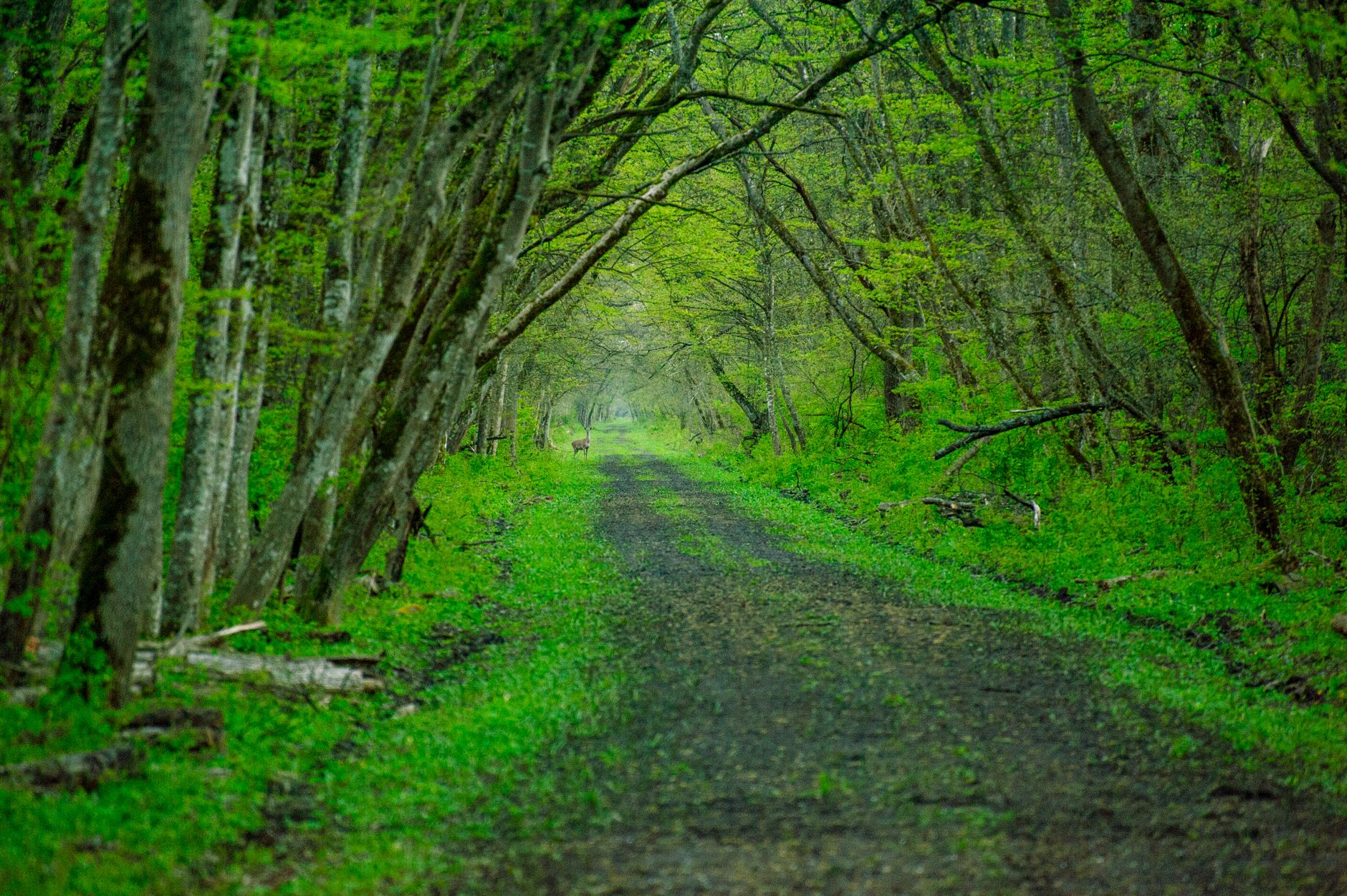
Railway beds, reborn
Vermont’s mountainous terrain once tormented 19th-century railroad engineers, who blasted and graded gentle routes across river valleys and forest passes. Today those abandoned steam-railway beds have become some of the finest rail trails in North America — car-free corridors with grades rarely over 2%, wide packed-gravel surfaces and total separation from traffic.
That gentle, predictable gradient is what makes rail trails so welcoming: touring cyclists, families, e-bikers and gravel riders can all cover long, scenic distances without a single steep climb, and in winter the same corridors become cross-country ski and snowmobile trails.
The Lamoille Valley Rail Trail
The crown jewel is the Lamoille Valley Rail Trail (LVRT), which runs 93 miles across the northern breadth of the state from Swanton near Lake Champlain to St. Johnsbury in the Northeast Kingdom — the longest rail trail in New England. It follows the old St. Johnsbury & Lamoille County Railroad through Cambridge, Johnson, Morrisville and Hardwick, crossing restored wooden and steel-truss bridges high above the Lamoille River and threading dairy farms, forests and downtowns.
Ride a flat family segment like Cambridge to Jeffersonville for lunch and a maple creemee, or link days for a genuine cross-state adventure.
The Island Line & causeway
Closer to Burlington, the 14-mile Island Line Trail hugs the Lake Champlain shore before heading out onto the Colchester Causeway — a three-mile stone railway bed built across open water in 1900. A seasonal bike ferry carries riders across 'the Cut' to South Hero and the Champlain Islands, making this the most spectacular short rail-trail ride in the state.
More rail trails
Vermont’s rail-trail network keeps growing.
Delaware & Hudson — 19.8 quiet miles through the Slate Valley barns and quarries from Poultney.
Missisquoi Valley Rail Trail — 26.3 miles of Franklin County riverfront from St. Albans to Richford.
Beebe Spur (Newport) — a lakeside path along Memphremagog toward the Canadian border.
Cross Vermont Trail — a developing route linking the Connecticut River to Lake Champlain.
Who they’re for
Rail trails are the great democratizer of Vermont cycling. Their flat, forgiving surface suits kids on their first real ride, grandparents on e-bikes, and gravel riders stringing together big mileage. They connect directly into downtowns for food and lodging, and their crushed-limestone or packed-dirt surface handles road-tire tourers and mountain bikes alike. In winter, groomed sections become Nordic-ski and snowmobile highways, so the corridors work year-round.
Bike & planning
A gravel bike, hybrid or e-bike on 35–42mm semi-slick tires is ideal; road bikes with wider tires manage the smoother stretches. Carry a basic repair kit, water and room for farm-stand snacks, as services cluster in the towns the trail passes through. Most sections are open dawn to dusk and free; download a map, since a few gaps still require short on-road connectors. Late spring through fall is prime, with September foliage turning the LVRT’s river valleys gold.
Good to know
Common questions
What is the longest rail trail in Vermont?
The Lamoille Valley Rail Trail — 93 miles from Swanton to St. Johnsbury, the longest in New England.
Are rail trails good for families?
Yes — their gentle 2%-or-less grades, packed surfaces and traffic-free corridors are ideal for kids, e-bikes and beginners.
What’s the most scenic short ride?
The Island Line Trail from Burlington out onto the Colchester Causeway, with a seasonal bike ferry to the islands.
What bike should I use?
A gravel bike, hybrid or e-bike on 35–42mm semi-slick tires; wider road tires handle the smoother stretches.
Can I use them in winter?
Yes — many sections become groomed cross-country ski and snowmobile trails once the snow flies.
Every booking through Vermont Destinations funds one verified tonne of carbon removal — same room, same price, no markup.
Find a stay