
neighbourhood
Driving from Burlington to Montreal: Route, Stops and Where to Sleep
The 100-mile run from Burlington up to Montreal rewards a slow pace, with lakeside villages, border timing and a choice of overnight bases on either side of the line.
The Route: Interstate Speed or Lake Champlain Back Roads
The quickest line north is Interstate 89, which runs from Burlington through Winooski, Colchester and Georgia before crossing into Canada near Highgate Springs and joining Quebec's Autoroute 35. In good conditions the drive takes roughly two hours to the Montreal city limits, and the border stop at Highgate Springs–St. Bernard-de-Lacolle is usually the fastest crossing on this corridor. If your priority is arriving for a Plateau dinner, leave South Burlington or Essex Junction by mid-morning and treat the highway as pure transit; the drive is pleasant but not scenic until you are north of the border.
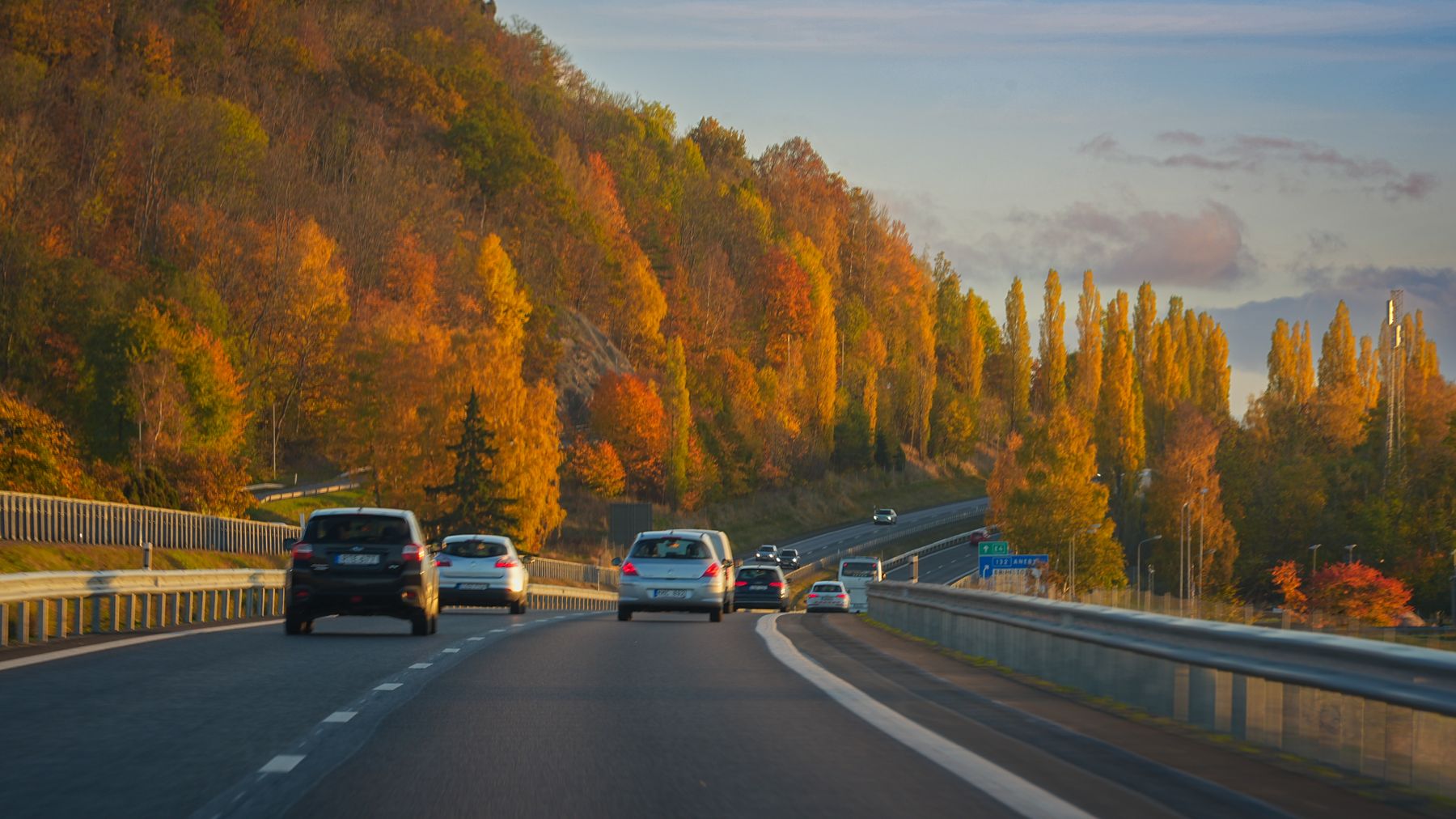
The slower and far better-looking option is US Route 2 along the islands, crossing the lake at Grand Isle and threading through Alburgh before heading north. It adds perhaps 30 to 40 minutes but delivers water views, small farms and the kind of roadside stops that justify the detour. Either way, carry your passport, expect a 10 to 30 minute wait in summer weekends, and check the border wait times before leaving your hotel. Autumn colours peak in late September and early October, which is also when the crossing is busiest.
Where to Stay Before You Go: South Burlington and Essex Junction
Most travellers treat Burlington as the base, but the practical hotel stock sits just outside the city in South Burlington, along Williston Road and Dorset Street near the University Mall and the airport. This is where the bulk of the region's mid-range rooms are, five to ten minutes from downtown Church Street Marketplace and with easy access to I-89 for the morning departure. Rates in July and August typically run higher than in April or November, and graduation weekends and fall foliage weekends sell out early.
Essex Junction, a short drive east along Route 15, is the quieter alternative and sits closer to the I-89 interchange at Exit 15 for anyone heading straight north. It suits travellers who want free parking, a calmer evening and a shorter run to the border, at the cost of walking distance to Burlington's waterfront. If you want one night of city dining before the drive, book in South Burlington and drive into Church Street for the evening; if you want to leave at dawn, Essex Junction is the smarter base.
Crossing the Border and the Last Stretch into Montreal
Highgate Springs–St. Bernard-de-Lacolle is open around the clock and handles most of the traffic on this route. Have your documents ready, remove sunglasses, and answer questions directly; secondary inspection is routine and rarely long. Once through, Route 133 becomes Quebec Route 133 and runs north through Saint-Armand and Saint-Jean-sur-Richelieu before meeting the autoroutes. Fuel is cheaper on the Vermont side, so fill up in Swanton or Highgate before the line.
From the border, Autoroute 35 north to the junction with Route 10 puts you into central Montreal in roughly 45 to 55 minutes. Traffic builds sharply between 7 and 9 am and again from 3:30 to 6 pm on weekdays, so a mid-morning or early afternoon arrival is far calmer. Parking in Montreal is expensive and scarce in the Plateau and Old Montreal; if your hotel charges for a space, take it. Otherwise, park at a suburban station and use the metro.
What to Skip and What to Book
Skip the duty-free detour unless you have a specific purchase in mind, and skip trying to combine Montreal with a same-day return from Burlington. The drive is easy but the city deserves at least one night, and a there-and-back day leaves you with traffic and little else. Also skip the ferry crossings to the lake islands in late October and November, when schedules thin out; the summer months of June through September are when they make sense. Winter driving is manageable on the main routes but allow extra time for snow.
My recommendation is two nights in South Burlington or Essex Junction, an early start north on I-89, and two nights in Montreal, then a slow return on Route 2 with a stop in Alburgh or the Champlain Islands. That structure gives you the city, the lake and the border without rushing. Note that demand for Vermont rooms in these towns is strong right now, so reserve early for summer and foliage season rather than assuming last-minute availability.
Good to know
Common questions
How long does the drive from Burlington to Montreal take?
Allow about two hours via Interstate 89 in clear conditions, plus 10 to 30 minutes at the Highgate Springs border crossing. The scenic Route 2 route along the lake adds 30 to 40 minutes. Weekday morning and late-afternoon traffic near Montreal extends the final stretch.
Do I need a passport to cross from Vermont into Canada?
Yes. A valid passport is the standard document for United States citizens entering Canada by car, and it is required to return to the United States. Travellers from other countries should check current Canadian entry requirements before booking, and children need their own documentation.
When is the best time to make this road trip?
June through early October offers the best driving weather and the most to see along Lake Champlain. Late September and early October bring foliage but also the heaviest border waits. Late spring is quieter and cheaper; winter is workable on main roads but requires winter tyres and slower speeds.
Every booking through Vermont Destinations funds one verified tonne of carbon removal — same room, same price, no markup.
Find a stay