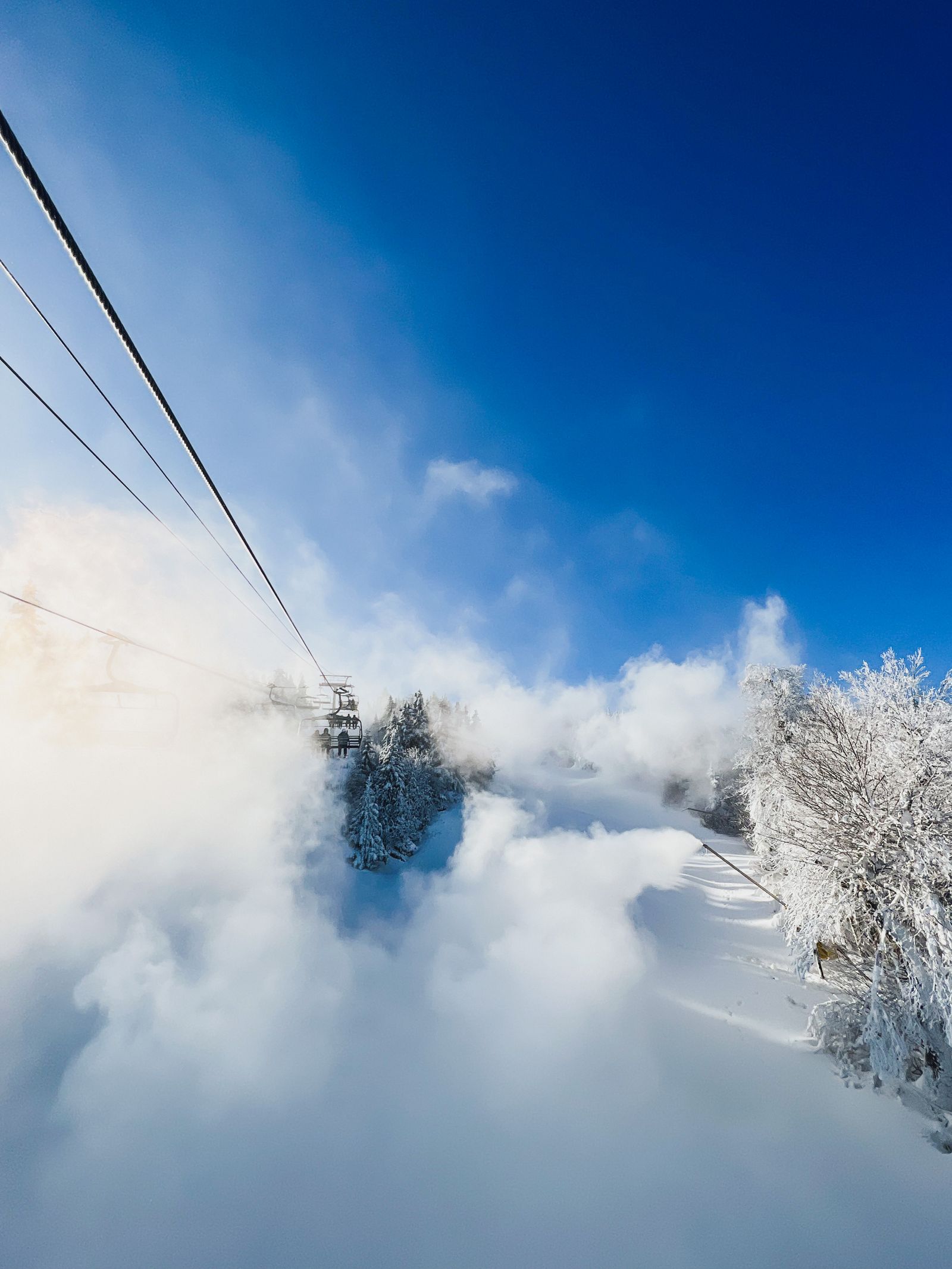
The heart of East Coast skiing
Vermont in winter is the heart of East Coast skiing. From the jagged, dramatic ridge of Jay Peak near the Canadian border to the buzzing party atmosphere and massive mileage of Killington in the south, the Green Mountain State is packed with variety.
Whether you are hunting untouched glades in 350-plus inches of natural powder, craving pristine morning corduroy, or trying to keep a family ski trip within budget, this guide covers everything you need to navigate Vermont’s big four.
The Big Four at a glance
Four resorts, four very different trips.
Stowe — classic luxury and high-alpine steeps; 2,360 ft vertical, ~300 in of snow. Best for apres-ski, steep groomers and village charm. Epic Pass.
Killington — the Beast of the East; 3,050 ft vertical, ~250 in. Best for mileage, nightlife and terrain parks. Ikon Pass.
Sugarbush — pure mountain vibe and deep trees; 2,600 ft vertical, ~250 in. Best for advanced terrain and soul-skiing. Ikon Pass.
Jay Peak — insane powder dumps and wild tree runs; 2,153 ft vertical, 350-plus in. Best for powderhounds, glades and budget lodging. Indy Pass.
Jay Peak: the East Coast powder mecca
If you ask any East Coast powderhound where to go when a storm rolls in, they will answer before you finish the sentence: Jay Peak.
Located in Vermont’s remote Northeast Kingdom, just a stone’s throw from Quebec, Jay benefits from a local meteorological phenomenon known as the Jay Cloud. Cold air sweeps over the Great Lakes, hits the Northern Green Mountains, and dumps an average of 350 to 380-plus inches of light, fluffy snow every winter — far outstripping any other resort in the eastern United States.
Jay is split into two base areas. Tramside features Vermont’s only aerial tramway, delivering skiers directly to the 3,968-foot summit, where experts can drop into the infamous Face Chutes — a steep, exposed zone that feels like the Rocky Mountains. Stateside is the rugged heart of the mountain, anchored by The Jet Triple, the spot for fast laps on steep, north-facing groomers and quick access to Jay’s legendary glades.
Jay is famous for its liberal boundary policy: if you see snow between the trees, it is generally open to ski. Zones like Vertigo, Deliverance and Valhalla offer world-class tree skiing through tight hardwoods and evergreens.
Jay Peak insider hacks
Local knowledge that saves a day.
Ditch the tram line on high-wind days — the summit tram is prone to wind holds when the cold Montreal Express blows. Skip the hour-long line and lap the Green Mountain Flyer or The Jet to stay moving.
The apres scene — the Bullwheel Bar at Stateside pours local Vermont IPAs in a relaxed, old-school skier atmosphere.
Off-slope fun — the Pump House, Jay’s massive indoor waterpark at the Tramside base, is the answer to double-digit-negative temperatures and restless kids.
Stowe: skiing’s golden standard
Stowe is the quintessence of New England skiing. Set beneath Mount Mansfield, Vermont’s highest peak at 4,393 feet, it combines dramatic alpine terrain with a historic, picture-postcard town.
The resort is two connected peaks. Mount Mansfield is home to the steep, narrow, unforgiving Front Four — National, Goat, Starr and Liftline — classic trails with massive bumps, exposed rock ledges and true fall-line skiing. For cruisers, the Mansfield Gondola accesses long, sweeping blues like Perry Merrill and Gondolier. Spruce Peak, across the road, holds state-of-the-art village amenities, luxury slopeside condos, gentle learning terrain and sunny wide-open cruisers like Main Street.
Stowe’s main artery is Route 108, the Mountain Road, connecting the village to the ski base. On powder weekends it backs up fast — leave your lodge by 7:15am to snag parking at Mansfield Base. If the main lots are full, park down-valley at the Toll House Double lot and take the chairlift up into the network.
For food and drink, grab craft brews at The Bench on Mountain Road, dine at Doc Ponds, or take a tasting at The Alchemist, home of Heady Topper.
Killington: the Beast of the East
If you want sheer size, endless variety and energetic nightlife, Killington is unmatched in New England. Spanning seven distinct peaks — including nearby Pico Mountain — it offers over 1,500 skiable acres and a massive 3,050-foot vertical drop.
K-1 Peak and the Canyon zone are reached by the K-1 Express Gondola; advanced skiers should head straight for Double Dipper and Cascade. Bear Mountain is the epicenter of freestyle skiing and steep moguls, home to the legendary Outer Limits — the steepest, longest mogul run in the East — plus top-tier terrain parks. Ramshead and Snowshed hold wide, gentle slopes designed for beginners, families and ski school. Snowdon adds fun terrain and parks; Sunrise and the South side offer scenic cruisers.
The winning strategy is to start early and move east to west: begin your morning at Bear Mountain or Sunrise as the sun hits them, then work across to Snowdon and K-1 by midday to stay ahead of the crowds. Killington also prides itself on being the first East Coast resort to open and the last to close, often spinning lifts into late May or early June.
Sugarbush: pure Vermont ski culture
Located in the picturesque Mad River Valley, Sugarbush offers a high-alpine feel with a relaxed, authentic atmosphere — big-mountain skiing without the corporate polish.
It splits into two areas connected by the Slide Brook Express Quad. Lincoln Peak is the main hub, with a European-style base village, varied terrain and the famous Castlerock zone — a dedicated wilderness area served by a slow double chair, with no snowmaking and no grooming, just narrow, technical, natural terrain. Mt. Ellen is often less crowded, boasts one of the highest summit elevations in Vermont at 4,083 feet and a steep 2,600-foot vertical, and offers long, fast cruisers and great terrain parks.
Just down the road lies Mad River Glen, a legendary skier-owned mountain whose motto is Ski It If You Can. It famously bans snowboards and still runs its historic single chair.
Lodging strategy: slopeside versus down valley
One of the biggest financial decisions on a Vermont ski trip is where you lay your head. Slopeside convenience means walking to the lifts, easy mid-day breaks and no parking hassle — at premium pricing. Positioning down valley saves 40 to 60 percent per night, opens up cheaper local dining, and costs you a 20 to 30 minute drive while giving easy access to multiple peaks.
The Rutland basecamp hack: if you are skiing Killington or nearby Okemo, staying right on the mountain in peak season can run 400 to 800 dollars-plus per night. Drive 20 minutes west down Route 4 to Rutland and you will find mid-range chains, classic motels and local inns at 120 to 220 a night, plus local diners, grocery stores and breweries such as Foley Brothers without resort-town markups.
For Stowe, skip the 700-a-night slopeside village rooms and look for historic bed and breakfasts or lodges along Route 100 between Waterbury and Stowe. Staying near Waterbury also puts you right off I-89, giving quick access to both Stowe and Sugarbush. For Sugarbush, look for chalets and inns in Waitsfield and Warren along the Mad River.
Because Jay Peak is isolated in the Northeast Kingdom, down-valley options are limited. Book early and look for Jay’s Ski and Stay packages directly through the resort — their condo-and-lift-ticket bundles are often surprisingly affordable compared with southern Vermont.
Season timeline
Every month skis differently.
December — early season, reliant on snowmaking. Quiet slopes and holiday atmosphere, but full natural terrain may not be open.
January — deep freeze and the coldest temperatures of the year. Pack hand warmers, but snow consolidates and snowmaking reaches full capacity.
February — peak season: maximum snowpack and full glade access, plus the highest weekend crowds.
March — the sweet spot. High snowfall, longer daylight, slightly warmer temperatures and soft afternoon snow.
April to May — spring tailgate season: soft corn snow, goggle tans and deck parties, especially at Killington and Jay Peak.
Essential gear checklist
What actually matters on an Ice Coast trip.
Base layers — merino wool or high-end synthetics; avoid cotton completely.
Face protection — a heavy-duty balaclava and neck gaiter for arctic chairlift rides.
Goggles — bring two lenses: a low-light yellow lens for flat-light storm days and a dark lens for bright spring sun.
Edges and wax — East Coast snow can be firm in the early morning; make sure your edges are freshly tuned and waxed for cold snow.
Vehicle prep — snow tires or AWD with good winter tread are essential on mountain passes during a nor’easter.
Your trip checklist
Four decisions to lock in.
Choose your mountain base — Jay Peak for deep powder and trees, Stowe for classic New England charm, Killington for massive terrain and nightlife, Sugarbush for authentic ski culture.
Lock in passes early — make sure your Epic (Stowe), Ikon (Killington and Sugarbush) or Indy (Jay Peak) pass is linked and any reservations are set.
Book valley lodging — reserve early in Rutland for Killington or Waterbury for Stowe and Sugarbush to cut accommodation costs in half.
Monitor the weather — track regional forecasts for nor’easters and the Jay Cloud to time your powder days.
Good to know
Common questions
Which Vermont ski resort is best for powder?
Jay Peak, without question. Its Jay Cloud microclimate delivers 350 to 380-plus inches a year — far more than any other eastern resort — and its liberal boundary policy makes zones like Vertigo, Deliverance and Valhalla world-class tree skiing.
What is the Front Four at Stowe?
National, Goat, Starr and Liftline — four steep, narrow, ungroomed classics on Mount Mansfield known for massive bumps, exposed rock ledges and true fall-line skiing. They are among the most demanding lift-served trails in the East.
How can I save money on a Vermont ski trip?
Stay down valley. Rutland is 20 minutes from Killington at 120 to 220 a night instead of 400 to 800 slopeside; Waterbury sits off I-89 with access to both Stowe and Sugarbush; and Waitsfield or Warren serve Sugarbush. Expect to save 40 to 60 percent per night.
Which pass do I need?
Stowe is on the Epic Pass, Killington and Sugarbush are on Ikon, and Jay Peak is on Indy. Buy and link passes pre-season for the biggest savings, and check whether reservations are required.
When is the best month to ski Vermont?
March is the sweet spot — high snowfall, longer days, warmer temperatures and soft afternoon snow. February has the deepest snowpack and fullest glade access but the biggest crowds; April and May bring spring corn and deck parties at Killington and Jay.
Every booking through Vermont Destinations funds one verified tonne of carbon removal — same room, same price, no markup.
Find a stay