Trip Planning
5 Must-Hike Vermont Trails for Every Skill Level: Your Complete Guide
From gentle lakeside strolls to challenging mountain summits, discover the Green Mountain State’s best hiking trails and where to stay for easy trailhead access.
Why Vermont’s Hiking Trails Draw Visitors Year-Round
Vermont’s diverse terrain offers hikers everything from riverside rambles to alpine scrambles, making it one of New England’s premier outdoor destinations. Whether you’re visiting South Burlington for Lake Champlain access, exploring Bennington’s historic sites, or staying in Colchester near the Islands, you’ll find trails that match your fitness level and time constraints. The state’s compact size means you can base yourself in one location and reach multiple trailheads within a short drive.
Planning a hiking-focused Vermont trip means choosing accommodation near your target trails while maintaining access to amenities and dining. Many visitors find that staying in central locations like South Burlington or Colchester provides the perfect balance—close enough to major trails but with plenty of lodging options, restaurants, and services to support your adventure.
Mount Mansfield via Sunset Ridge Trail: Vermont’s Ultimate Challenge
**Trail Length:** 5.4 miles round trip | **Difficulty:** Strenuous | **Elevation Gain:** 2,500 feet. Mount Mansfield, Vermont’s highest peak at 4,393 feet, offers experienced hikers dramatic views across the Green Mountains and into New York and Canada on clear days. The Sunset Ridge Trail ascends steadily through hardwood forest before breaking above treeline, where you’ll scramble over exposed rock with significant vertical drops—this isn’t a trail for those uncomfortable with heights. The summit’s alpine tundra is fragile, so staying on marked paths protects rare plant species found nowhere else in Vermont.
Starting from Underhill State Park, this trail requires good physical conditioning and proper gear including sturdy boots, layers for rapidly changing weather, and plenty of water. Many hikers staying in Colchester or South Burlington make this an early-morning excursion, allowing time for the three-to-four-hour round trip plus the 45-minute drive to the trailhead. Weather can change dramatically above treeline, so check forecasts and don’t hesitate to turn back if conditions deteriorate.
Sterling Pond Trail: Moderate Hiking with Big Rewards
**Trail Length:** 2.6 miles round trip | **Difficulty:** Moderate | **Elevation Gain:** 1,100 feet. Accessible from Smugglers' Notch State Park, the Sterling Pond Trail climbs steadily through spruce-fir forest to reach Vermont’s highest trailhead pond at 3,000 feet. The trail can be rocky and root-covered, requiring attention to foot placement, but the grade remains manageable for reasonably fit hikers. At the top, Sterling Pond sits in a natural basin surrounded by peaks, offering swimming opportunities in summer and stunning foliage reflections in autumn.
This trail works perfectly for families with older children or hikers building endurance for more challenging routes. The relatively short distance means you can complete it in two to three hours, leaving time to explore Stowe or Cambridge afterward. Visitors based in locations like South Burlington will find this trail about an hour’s drive away, making it feasible as a half-day excursion before returning to your hotel for an afternoon of relaxation or exploring nearby attractions.
Moss Glen Falls Trail: Easy Access to Natural Beauty
**Trail Length:** 0.6 miles round trip | **Difficulty:** Easy | **Elevation Gain:** 100 feet. Located in Granville Gulf State Reservation, Moss Glen Falls Trail provides one of Vermont’s most accessible waterfall experiences. The short, mostly flat path follows a brook through hemlock forest before reaching the 125-foot cascade that thunders down a rock face into a cool gorge. This trail requires minimal exertion, making it suitable for young children, older adults, or anyone looking for natural beauty without a workout.
The trailhead sits directly off Route 100, Vermont’s scenic north-south corridor, making it an excellent stop while driving between destinations. For visitors staying in central Vermont locations, this trail offers a quick nature break without disrupting travel plans. The falls run strongest in spring and after heavy rains, though they remain photogenic throughout the hiking season. Plan for 30 minutes total, including time to enjoy the falls and take photos.
Camel’s Hump via Burrows Trail: Iconic Vermont Summit
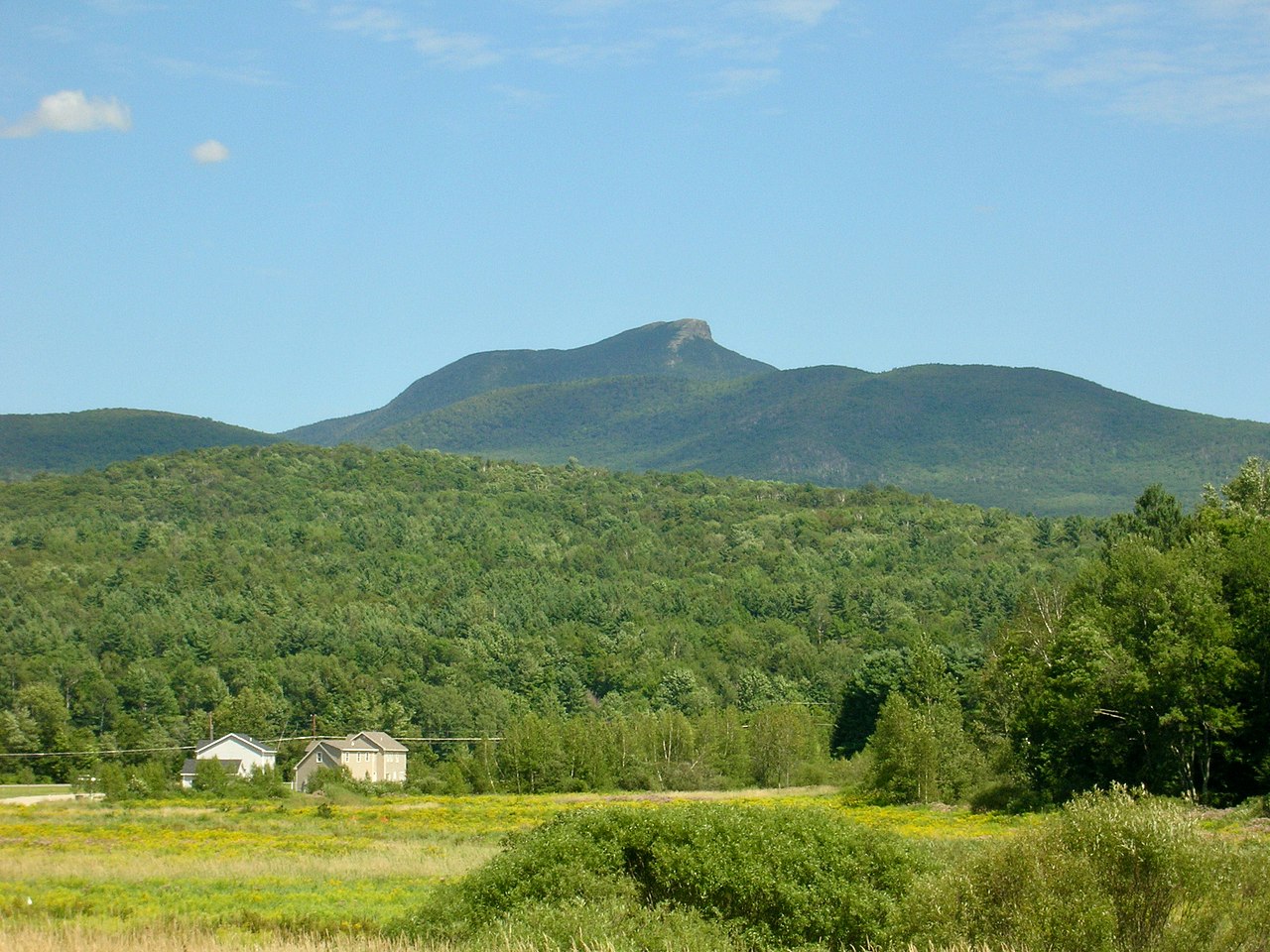
**Trail Length:** 6.8 miles round trip | **Difficulty:** Strenuous | **Elevation Gain:** 2,600 feet. Camel’s Hump, Vermont’s most distinctive peak at 4,083 feet, features a bare, rocky summit that resembles its namesake when viewed from certain angles. The Burrows Trail offers the most direct route, climbing relentlessly through hardwood forest, then evergreens, before emerging onto open rock for the final push. The 360-degree summit views take in Lake Champlain, the Adirondacks, the White Mountains, and seemingly endless Green Mountain ridges.
This challenging hike demands four to six hours and solid physical preparation. The exposed summit brings fierce winds even on calm days lower down, so pack windproof layers regardless of valley weather. Hikers staying in South Burlington or surrounding areas face about an hour’s drive to the Huntington trailhead. Starting early helps you avoid afternoon thunderstorms common in summer and ensures you’re off the exposed sections before weather potentially deteriorates.
Robert Frost Interpretive Trail: Literary History Meets Nature
**Trail Length:** 1-mile loop | **Difficulty:** Easy | **Elevation Gain:** Minimal. Near Ripton in the Green Mountain National Forest, this gentle loop trail features plaques displaying Robert Frost’s poetry at scenic spots that inspired his work. The well-maintained path winds through mixed forest alongside a babbling brook, with benches positioned for contemplation. Educational signage explains the forest ecology and Frost’s connection to Vermont, where he spent many summers writing.
This trail serves multiple purposes: an easy leg-stretcher during long drives, a cultural experience combining literature and nature, or a peaceful walk for those who prefer reflection over exertion. Families with young children appreciate the short distance and engaging poetry displays that hold kids' attention. Located near Middlebury, it’s accessible from various Vermont regions, including for travelers heading between Bennington and northern destinations who want to break up their journey with something more meaningful than a highway rest stop.
Where to Stay for Your Vermont Hiking Adventure
Choosing the right base for your hiking trip depends on which trails you’re prioritizing and what amenities matter to you. South Burlington offers excellent access to northern trails like Mount Mansfield and Camel’s Hump while providing extensive dining, shopping, and services—you’ll find everything from quick breakfast spots for early starts to comfortable restaurants for post-hike meals. Colchester provides similar conveniences with slightly easier access to trails in the northern Green Mountains and Islands region.
For those focusing on southern Vermont trails, Bennington serves as an ideal hub with its combination of historic attractions and proximity to trails in the Taconic and southern Green Mountain ranges. Rather than moving between hotels, many visitors find that staying put in one location and taking day trips to various trailheads reduces packing stress and lets you settle into a comfortable routine. When searching for accommodation, look for properties offering early breakfast options or grab-and-go items, as many prime hiking conditions occur in early morning hours before heat and afternoon thunderstorms develop.
Good to know
Common questions
What’s the best time of year for hiking in Vermont?
Late May through October offers the most reliable hiking conditions, with July and August providing the warmest weather and fully accessible high-elevation trails. September and early October bring spectacular foliage and cooler temperatures ideal for strenuous hikes, though these are also the busiest months for tourism. Spring (late April through May) features rushing waterfalls and emerging greenery but can mean muddy trails and lingering snow at high elevations.
Do I need special permits to hike Vermont trails?
Most Vermont hiking trails require no permits or fees, including those on Green Mountain National Forest land and state forests. Some trails accessed through state parks like Underhill or Smugglers' Notch may require parking fees (typically under $5 for day use). The Long Trail, which runs the length of Vermont, remains free to access, though overnight camping in certain areas requires staying at designated sites.
How should I prepare for sudden weather changes on Vermont mountain trails?
Vermont’s mountains create their own weather systems, with conditions changing rapidly especially above treeline. Always pack a waterproof jacket, extra insulation layer, hat, and gloves even on warm valley days—summit temperatures can be 20-30 degrees cooler with significant wind chill. Check mountain-specific forecasts (not just valley weather), bring more water than you think necessary, and establish a turnaround time regardless of how close you are to the summit if weather deteriorates.
Every booking through Vermont Destinations funds one verified tonne of carbon removal — same room, same price, no markup.
Find a stay